Boost Your TV's Performance: Key Details on TV Repairs and Corresponding Services
Maximizing a TV's operation is essential for any user. Numerous experience common issues like black screens or flashing images, which often suggest underlying problems. Knowing when to pursue professional assistance can avoid further damage. Moreover, learning some DIY troubleshooting techniques may preserve time and money. As technology progresses, considering a timely upgrade can enhance the overall experience. What steps should one take to maintain their TV remains in peak condition?
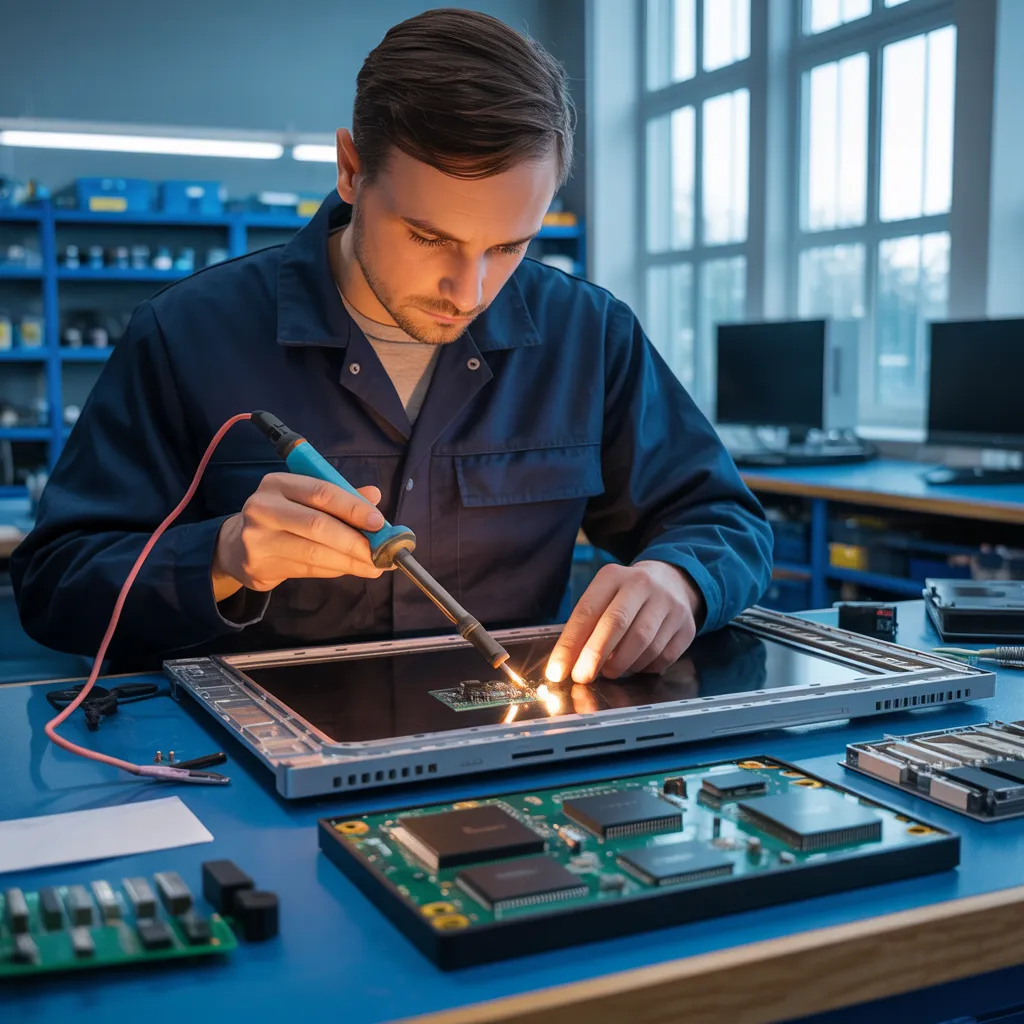
Typical TV Troubles and Their Indicators
Malfunctioning televisions display various symptoms that signal underlying problems. One common issue is a blank screen, often pointing to power supply failures or faulty connections. Flickering images often suggest problems with the display panel or signal interference. Audio malfunctions, such as distorted sound or complete silence, can stem from speaker failures or improper settings. Furthermore, frequent freezing may indicate software glitches or components that overheat. Remote control issues often stem from depleted batteries or malfunctioning sensors. In addition, distorted colors can point to calibration problems or faulty internal circuitry. Recognizing these symptoms can help in diagnosing the problem before deciding on the appropriate repair or service action.
When to Pursue Professional Support
How can one determine the right moment to enlist professional assistance for TV repairs? Recognizing the signs of a malfunctioning television is essential. If the screen remains blank despite power being supplied, or if there are persistent flickering images, these issues often point to deeper problems that require expert intervention. Furthermore, unusual sounds, overheating, or a failure to connect to external devices can signal that professional help is necessary. When troubleshooting yields no results, and symptoms persist, it is advisable to seek expert assistance. Homeowners should also consider the age of their device; older models may require specialized knowledge for repairs. In the end, prioritizing safety and ensuring a quality repair experience justifies enlisting a professional for complex or concerning issues.
DIY Methods for Addressing Television Issues
Before pursuing professional help, many people may want to explore DIY troubleshooting tips for common TV difficulties. A black screen could indicate a loose cable; checking all connections can often resolve this concern. If the TV doesn't power up, ensuring it's plugged in and the outlet is functional is a good first step. For sound problems, verifying that the mute function is off and adjusting the volume settings can help. Moreover, performing a factory reset could remedy persistent software glitches. For picture quality difficulties, adjusting the settings or checking for interference from nearby devices may be helpful. These simple steps can often fix minor concerns, allowing viewers to enjoy their television without unnecessary delays or costs.
Grasping TV Repair Expenses
Understanding the financial implications associated with TV repairs is essential for consumers who could be facing problems with their devices. Repair expenses can fluctuate significantly based on several factors, including the type of TV, the nature of the malfunction, and the required parts. For example, basic problems like a blown fuse may cost less than $100 to fix, while screen replacements for top-tier models can exceed $1,000. Labor expenses also play a significant role, with technicians usually charging between $50 to $150 per hour. Additionally, warranty coverage may influence repair charges, potentially reducing some financial burden. By grasping these components, consumers can make informed decisions about whether to repair or replace their televisions, ultimately maximizing their investment.
Choosing the Perfect Repair Service
Selecting the right TV repair service requires evaluating several vital factors. Skill and experience play a significant role in delivering quality repairs, while warranties and guarantees offer peace of mind for customers. Moreover, cost transparency is essential for eliminating unexpected charges and fostering trust between clients and service providers.
Professional Expertise and Experience
When it comes to choosing a repair service for televisions, the experience and expertise of technicians are crucial in ensuring quality repairs. Experienced technicians possess in-depth knowledge of various TV brands and models, allowing them to diagnose issues efficiently and accurately. Experience enhances their capacity to handle intricate problems, as they have typically encountered similar cases in the past. A reputable service commonly showcases certifications and training, which serve as indicators of a technician's proficiency. Moreover, customer reviews and testimonials can provide insight into the technician's track record. Ultimately, selecting a repair service with qualified professionals not only ensures effective repairs but also instills confidence in the durability and functionality of the television post-repair.
Warranty and Guarantee Information
A reliable repair service should always provide explicit warranty and guarantee policies to secure customer satisfaction and protection. These policies act as a commitment to the quality of workmanship and parts used during repairs. When selecting a repair service, customers should question the duration and coverage of the warranty. A reputable service usually provides a warranty on both labor and parts, ensuring that any defects or issues emerging shortly after the repair are handled without additional costs. Furthermore, understanding the terms and conditions of these guarantees is essential, as they define the responsibilities of both the service provider and the customer. This transparency fosters trust and reinforces the value of investing in professional TV repair services.
Pricing Clarity
While many repair services may advertise low prices, pricing clarity is crucial for customers searching for reliable TV repairs. Understanding the entire extent of potential expenses can eliminate unwelcome surprises. Reliable repair services supply detailed estimates that outline labor, parts, and any additional fees upfront. This clarity permits customers to make informed decisions and compare different providers effectively. Moreover, asking for a breakdown of costs can reveal any hidden charges or unnecessary services. A transparent service builds trust and can be a indicator of quality workmanship. Customers should select companies that value honesty in their pricing, as this often correlates with a commitment to customer satisfaction and high standards in repair practices.
Proactive Maintenance for Your TV
Preventive maintenance is vital for extending the life of a television. Regular maintenance routines, such as removing dust from the screen and ensuring ventilation, can substantially boost performance. Additionally, keeping optimal viewing conditions, including adequate light levels and screen distance, provides a enhanced visual experience and decreases wear on the device.
Routine Cleaning Methods
How often should one consider cleaning their television to guarantee peak performance? Consistent cleaning is essential, preferably monthly, to avoid dust buildup and preserve optimal image quality. A microfiber cloth is advised for delicately wiping displays, as it decreases the likelihood of scratches. It's crucial to bypass strong chemicals, preferring instead a specially-made electronics solution when necessary. Moreover, removing dust from the TV's vents and adjacent areas supports proper air circulation, preventing potential overheating. Preserving the television in a tidy setting further extends its durability and effectiveness. By maintaining these periodic cleaning habits, consumers can achieve better visual clarity and lengthen their television's lifespan.
Best Observation Requirements
Creating ideal viewing conditions is essential for enhancing the television experience and preserving the device's longevity. Ideal lighting conditions play a critical role; dimming ambient light can reduce glare and improve picture quality. Placing the television at eye level ensures comfort during extended viewing, while keeping a distance of at least five times the screen size improves clarity. Proper ventilation is also critical; placing the TV on a well-ventilated stand prevents overheating, which could impair internal elements. Frequently updating settings such as brightness and contrast depending on the room's lighting further enhances performance. Furthermore, reducing dust buildup around the television and electronic equipment helps preserve sharp visuals. These preventative measures collectively contribute to an enriched viewing experience and prolonged television lifespan.
Upgrading Your TV: When Is It Time?
At what point is it appropriate to contemplate a television replacement? This determination generally depends on several significant aspects. First, advancements in technology, such as 4K resolution, OLED displays, or HDR, can greatly enhance viewing experiences. If these features are absent from your current television, it may be worth considering an upgrade. Additionally, age plays an important role; television sets beyond eight years old often struggle with current streaming services or applications. Repeated fixes or performance concerns show that a new purchase may be more budget-friendly. Lastly, shifts in how you watch content, like greater reliance on smart capabilities or gaming, may require an upgrade to properly support these activities. Analyzing these considerations helps pinpoint the optimal timing for a new purchase.
Popular Questions
Am I Able to Repair My TV Myself Without Voiding the Warranty?
Attempting to repair a TV yourself typically cancels the warranty. Product manufacturers typically require professional repairs to maintain warranty coverage. It is recommended to check the warranty terms and consider authorized service centers for required repairs.
What Are the Best Brands for Reliable TV Repair Services?
Samsung, LG, and copyright are commonly recognized as leading brands for reliable TV repair services. Their wide-ranging customer support networks and authorized service centers offer effective solutions, providing quality repairs and customer detailed guide satisfaction in numerous locations.
What Is the Average Time for TV Repairs?
Television repair services typically require anywhere from a few hours to several days, based on the extent of the defect and the availability of components. Quick fixes may be resolved promptly, while more complex repairs require more time.
Are Replacement Parts for TVS Readily Available?
Replacement parts for TVs are often readily available, based on the model and manufacturer. Typical components are easily accessible, while specific or older parts may need additional effort to find through niche component providers.
What Should I Do When My TV Warranty Expires?
When a TV warranty has run out, the individual should consider obtaining professional repair services, exploring local repair shops, or looking into online guides for DIY fixes. Evaluating repair costs against replacement options is also recommended.